Funding for Towing Companies
Equipment financing puts wreckers and flatbeds on the road with the truck as collateral, and an advance bridges the slow-paying motor club and insurance receivables.
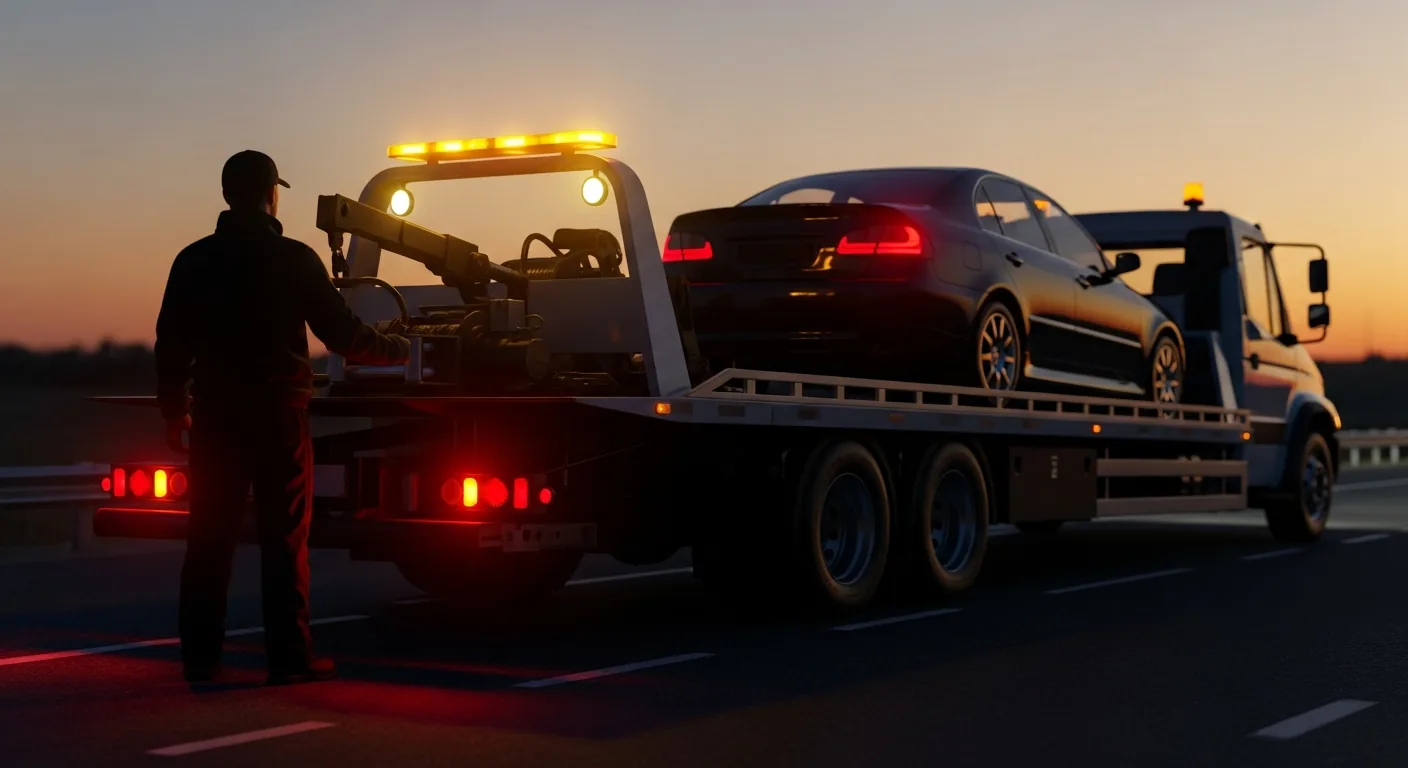
Towing is a capital-heavy trade wearing a service business costume. A wrecker or rollback runs into six figures, earns only when it is rolling, and works the kind of hours that guarantee repairs. The revenue side answers to motor clubs and insurance carriers who pay on their own schedule and at their own rates, while your drivers, fuel, and insurance premiums are due now. Banks rarely move at the speed a down truck demands. Broadway does: one short form, three months of bank statements, soft credit pull, same-day decision, and funding in as little as 24 hours to get steel back on the road.
The challenge
Wreckers cost six figures and earn nothing in the shop, while motor clubs and insurance companies pay slowly and negotiate hard. One truck down can take a whole rotation slot with it.
How Broadway Advance helps
Equipment financing puts wreckers and flatbeds on the road with the truck as collateral, and an advance bridges the slow-paying motor club and insurance receivables.
What owners use it for
- Buy a wrecker, rollback, or heavy-duty unit
- Fund major truck repairs and get a unit back in rotation
- Cover insurance premiums and licensing
- Bridge slow-paying motor club and insurance receivables
- Expand the yard or impound lot
- Add GPS, dispatch, and camera systems
See your real number in about five minutes.
Apply nowFunding options that fit towing companies
Equipment Financing
Buy the equipment you need; the equipment itself secures the deal.
Up to 100% of equipment cost →Merchant Cash Advance
Immediate cash today in exchange for a small slice of future sales.
Up to $2,000,000 →Business Line of Credit
A revolving cash reserve you only pay for when you draw on it.
Flexible limits →Towing Companies funding questions
Can I finance a used wrecker or rollback?
Yes — used units are the norm in this industry and the financing follows the asset. The truck is the collateral, so approval keys on the unit's value and your deposit history rather than a bank's ideal borrower profile, and Broadway can finance up to 100% of the cost. That matters when a good used heavy hits the market and will not wait for committee review. Spec sheet plus three months of bank statements gets you a same-day decision.
Motor clubs pay slow and thin — what covers the gap without hurting the rotation?
A line of credit handles the recurring version of this: draw against the gap each cycle, repay when the clubs and carriers settle, pay interest only on what you draw. If the receivables book is substantial, asset-based lending against it can raise more at better pricing. And when the gap is acute — payroll Friday with three carriers sitting on invoices — an advance funds in as little as 24 hours. We will fit the tool to how chronic the problem is.
I'm an owner-operator with one truck — is funding realistic for me?
Yes. Funding is sized to your revenue, not your fleet count, and a single-truck operator with steady deposits qualifies for amounts the statements support. The most common move at your size is the second truck — it doubles capacity and protects the rotation slot when one unit is down — and equipment financing covers it with the truck as collateral. One short form, soft credit pull, same-day answer. Finding out your number costs nothing.